
‘Mobility’ refers to constant movement from one place to another, while ‘migration’ suggests a prolonged stay upon arrival (Overs 2002). We can therefore safely deduce that any form of movement results in a shift or change in place. However, while place is understood as a specific geographical location, Henri Lefebvre argues that “(social) space is a (social) product” – meaning it is constantly (re)shaped by an endless host of actors, activities, laws and policies that regulate its function through “means of control, and therefore, domination of power” (1991: 26). Lefebvre refers to this process as “the [social] production of space” (1991).
In addition, Svati Shah understands: “migration to indicate a spatiotemporal process, where space accrues meaning through migrant workers’ conditional and limited access to spaces within the city and, thus, through the specific temporalities governing these spaces” (2014: 32).
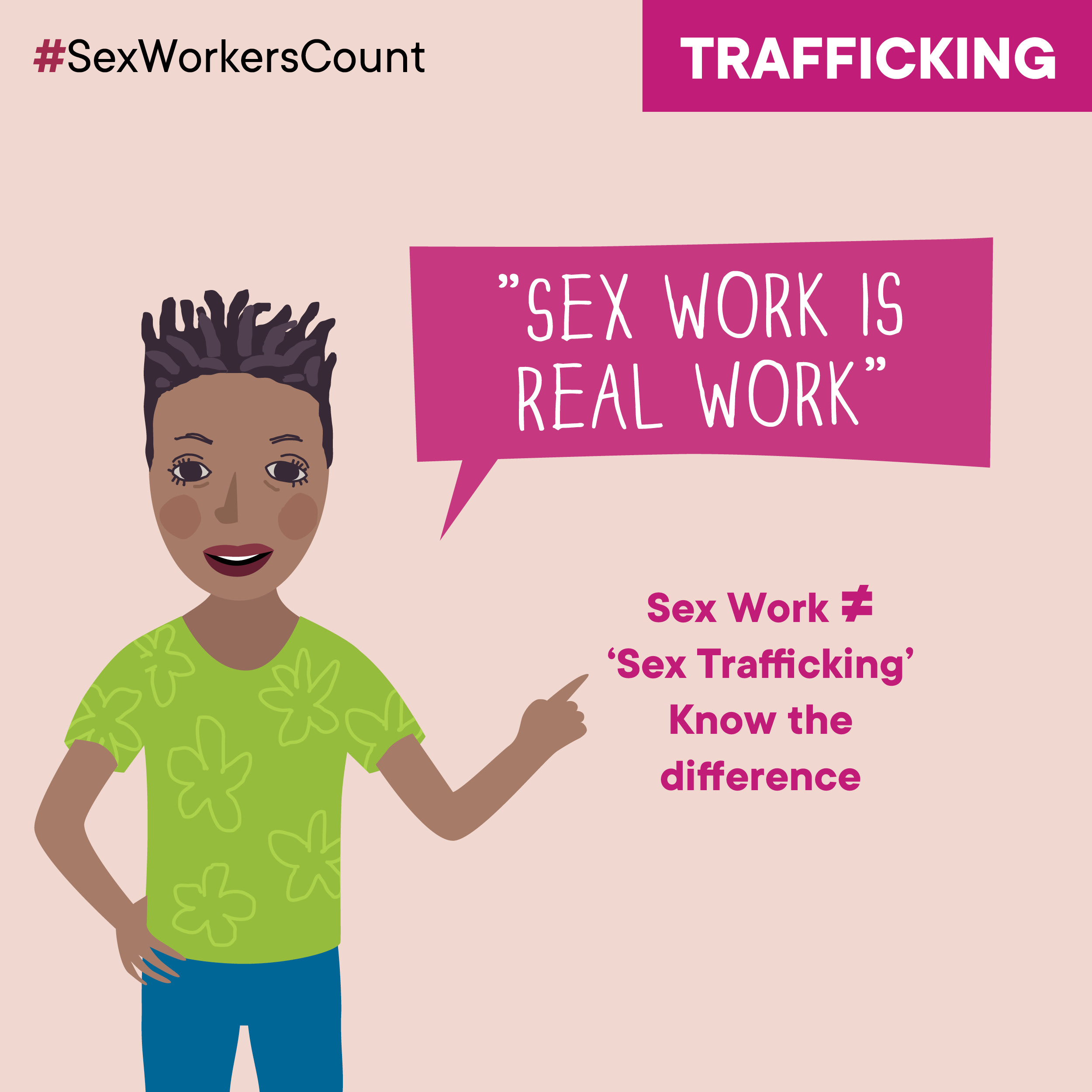
FACT SHEET: Counting Sex Workers In! Campaign

Sex Work, Migration, and Human Trafficking in South Africa: From polarised arguments to potential partnerships

Sex Workers Organising for Change: Self-representation, community mobilisation, and working conditions (SA chapter)

Why migration patterns are so important to designing responses to HIV

Sex work, migration and HIV: South Africa’s health system can – and should – take a lead